Products and services
Polyamide PA12 Reinforced with 30 % Carbon Fiber — Examid® PA12 CF30
Description
Examid PA12 CF30 — an injection-molding polyamide 12 compound reinforced with 30 % chopped carbon fiber (PAN-based, not a structural CFRP prepreg). It combines the lowest water absorption in the entire polyamide range (~0.25 % in 24 h at 23 °C), electrically conductive behavior imparted by the carbon-fiber filler, high dimensional stability in humid environments and good chemical resistance to oils, fuels and alkalis. Processed by standard injection molding at a melt temperature of 240–270 °C; mold temperature 80–100 °C; preferably uniform filling, since carbon fiber tends to orient along flow lines and cause shrinkage anisotropy.
Conductive or antistatic? — the difference
Unlike static-dissipative (antistatic) grades (surface resistance 109–1012 Ω/sq), PA12 CF30 falls within the electrically conductive range: typical volume resistivity 101–104 Ω·cm, surface resistance 102–105 Ω/sq (per ISO 3915 / IEC 60093). This allows the compound to be used where simply "not accumulating" charge is not enough — for reliable static drainage and current dissipation in ATEX zones, housings of ESD-sensitive electronics, and assemblies in contact with light hydrocarbons. The exact resistance depends on fiber orientation within the part — in weld-line zones and thin walls it can be 1–2 orders of magnitude higher.
Advantages
- The lowest water absorption in the entire polyamide range — stable dimensions under high humidity and in contact with fuels and lubricants
- Electrically conductive behavior from carbon fiber (no carbon black), "clean" channel walls
- High specific stiffness (modulus per unit mass) thanks to the low density of PA12 + CF
- Good chemical resistance to oils, gasoline, diesel, hydraulic fluids, weak acids and alkalis
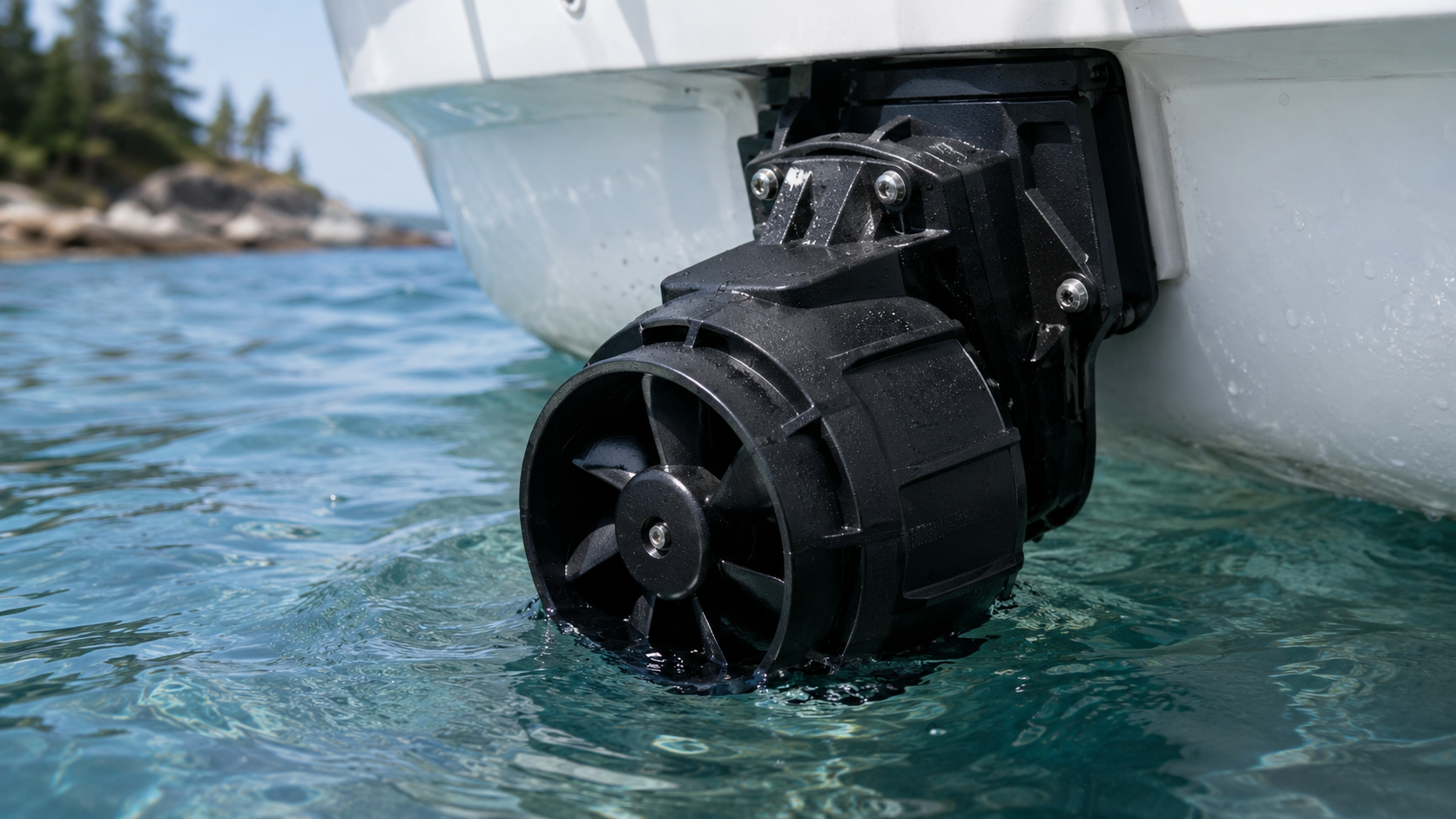
- Inherent PA12 resistance to hydrolysis and stress cracking — an advantage over PA6/PA66 CF30 in northern and offshore applications
- Low permanent set under dynamic loading
Limitations — honestly
- Not a structural CFRP. This is an injection-molding compound with discrete fiber (0.2–0.4 mm length after processing) — not used in primary load-bearing structures (fuselage skin, spars, wings). Used in secondary and interior aerospace parts.
- Anisotropy of shrinkage and modulus along flow lines — requires well-considered gating, especially for thin-walled and asymmetric parts
- More brittle than unfilled PA12 — not for impact-loaded structures at low temperatures without modification
- Compound cost is 3–5 times higher than the GF counterpart
- UV resistance is improved over base PA12, but a UV-stabilized grade or painting is recommended for long-term outdoor service
- Dark coloration (from the naturally black CF) — color matching is limited
Target applications
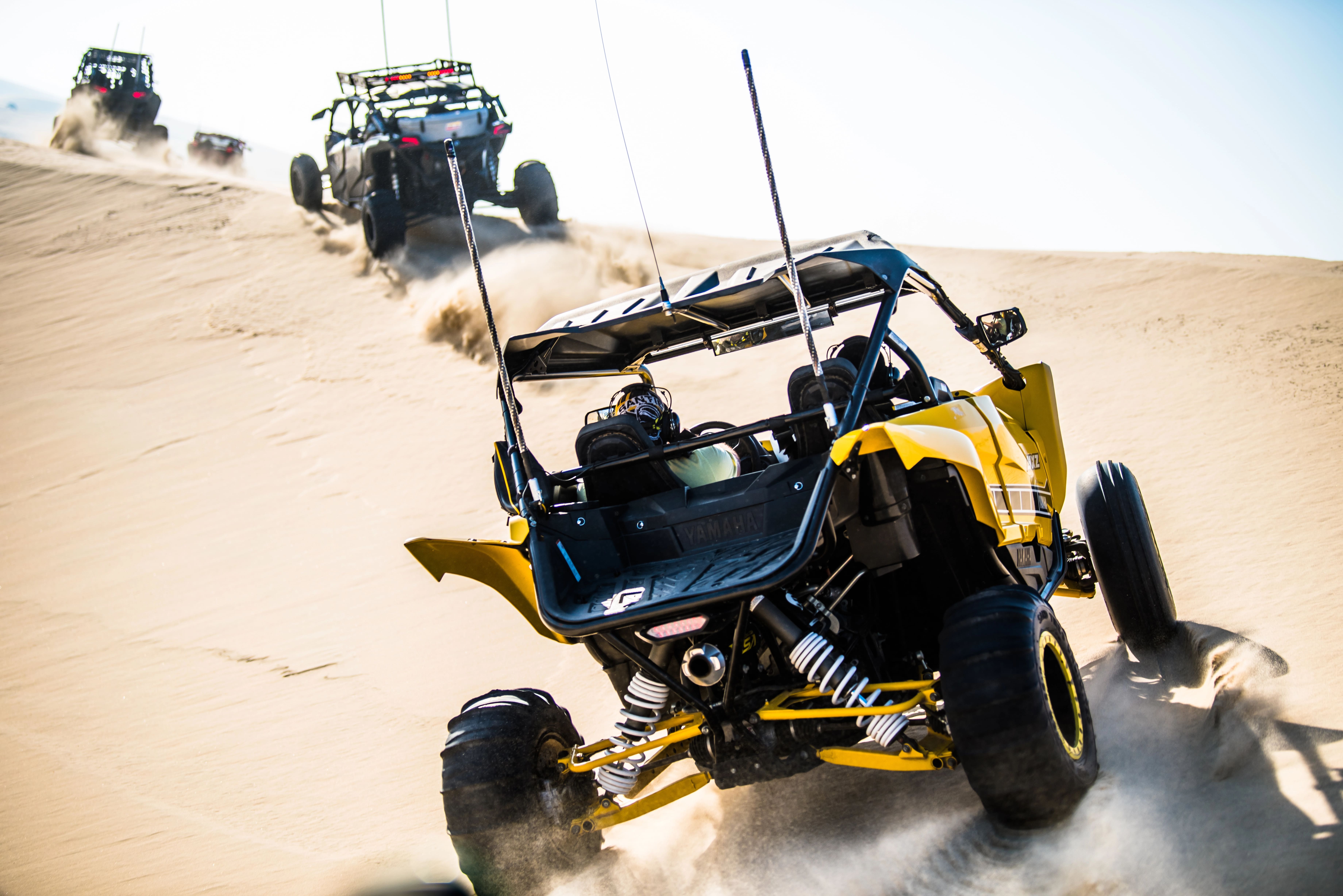
Automotive: fuel systems (assemblies with electrostatic drainage), quick-connect fuel line couplings, pressure and temperature sensor housings, brake system components, brackets.
Aerospace (secondary structures): cable routing brackets, harness holders, connector and backshell housings, cabin air duct guides, auxiliary sensor housings. Not intended for skin panels or load-bearing structural elements.
Oil and gas, ATEX: housings of portable instruments for explosive atmospheres, downhole connectors, protective covers for cable glands, pump components in hydrocarbon media.
Electronics and instrumentation: housings of ESD-sensitive devices, PCB holders, chip shipping containers, wafer-handling guides.
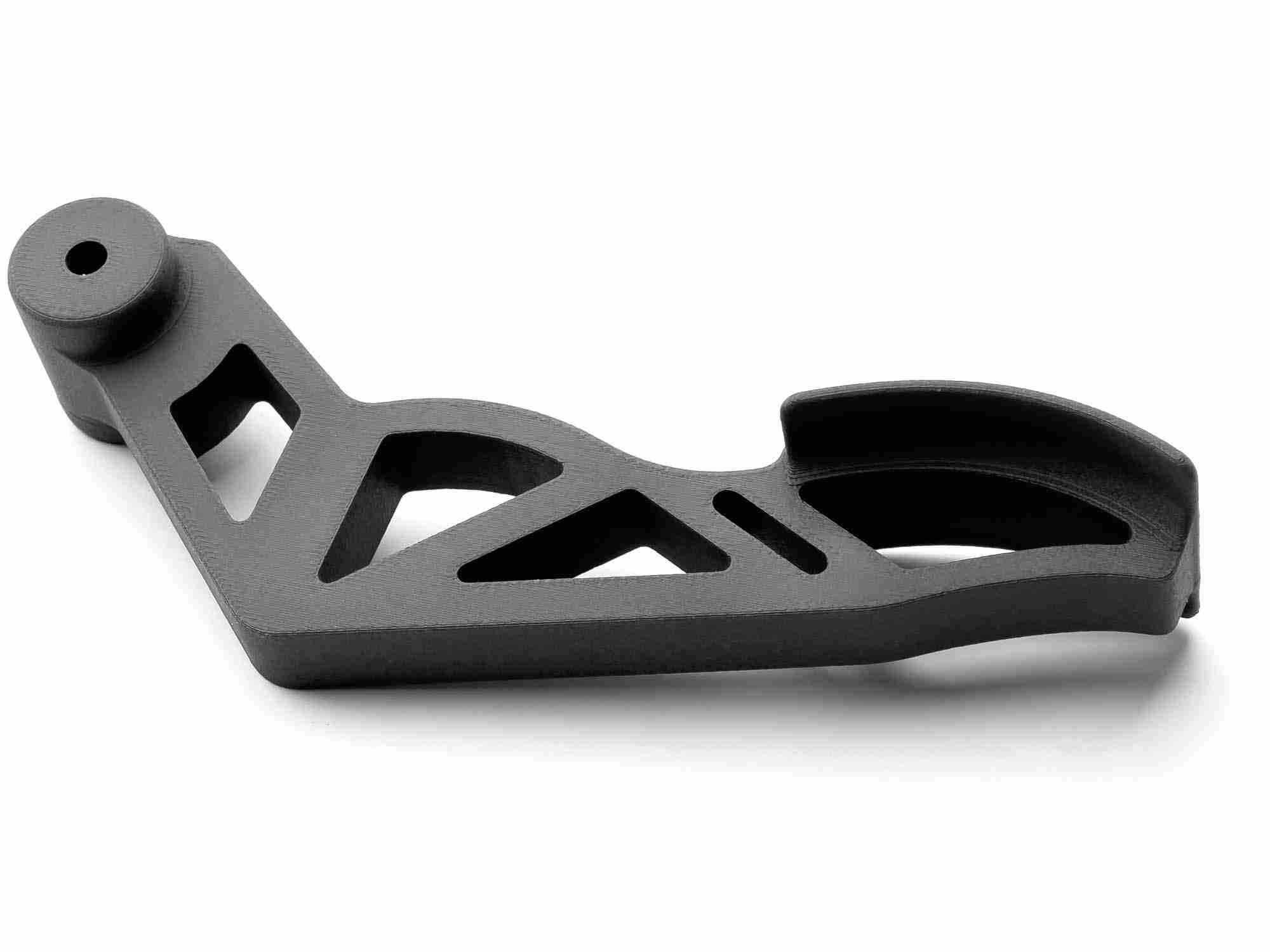
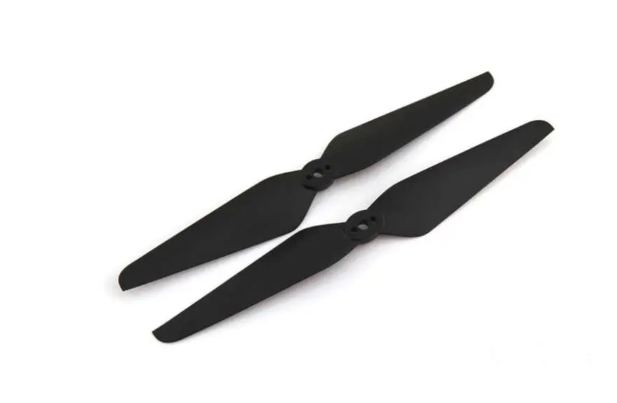
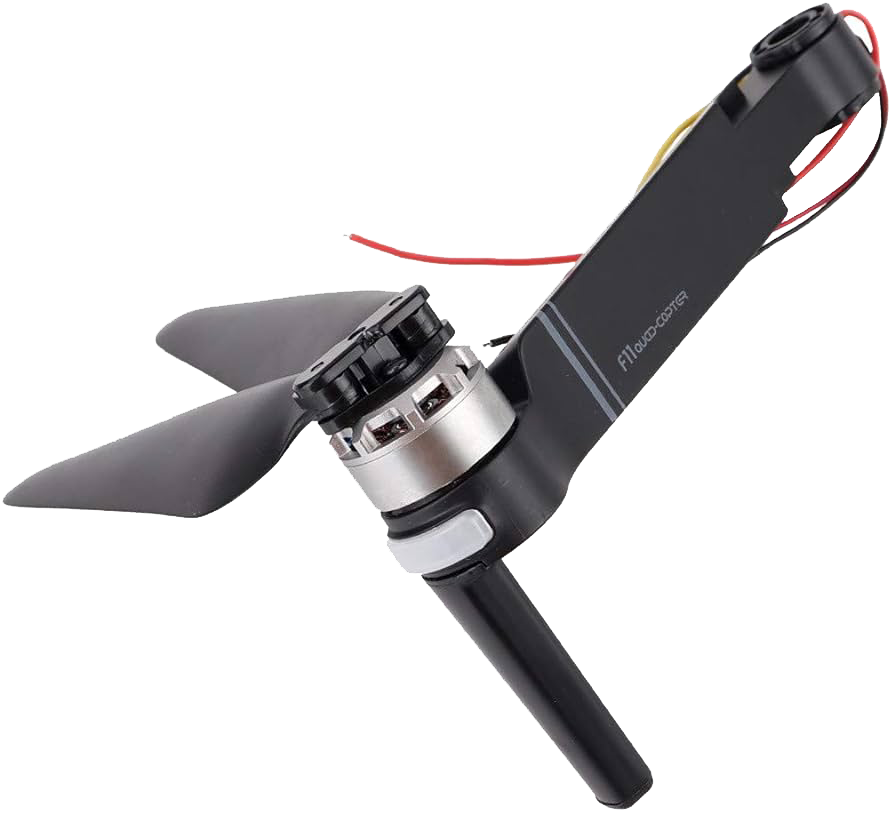
Industrial robotics and UAVs: lightweight load-bearing manipulator links, servo drive housings, drone frame components wherever stiffness plus ESD protection is required.
Medical and sports: positioners for X-ray diagnostics (low radiation absorption), orthosis and prosthesis components, frames and fittings for high-end carbon-composite bicycles.
Global equivalents
Comparable grades in the portfolios of leading manufacturers: Evonik Vestamid L-CF30 (PA12, 30 % CF), Arkema Rilsamid AECTL/Rilsan PAECTL (PA11/PA12 + CF), EMS-Grivory Grilamid LV-3CF (PA12 + 30 % CF), RTP Imagineering Plastics 200 AR series (PA12 + CF). Examid PA12 CF30 is offered as a technologically and parametrically comparable localized alternative with flexibility in logistics, minimum batch size and property customization on request.
The stated values are measured using in-house methods close to the corresponding ISO and GOST standards. The information is provided for reference only and does not constitute an official technical data sheet for a batch. Please request the TDS and MSDS for the specific batch before industrial use.