
Products and services
30% Carbon Fiber PA66 — Examid® PA66 CF30 Y
Description
Examid® PA66 CF30 Y is a polyamide 66 reinforced with 30% carbon fiber. Top of the line in specific stiffness: tensile modulus of 22,000 MPa at a density of only 1.30 g/cm³. For comparison, PA66 GF50 delivers 16,800 MPa at 1.56 g/cm³ — carbon fiber wins on both stiffness and weight simultaneously.
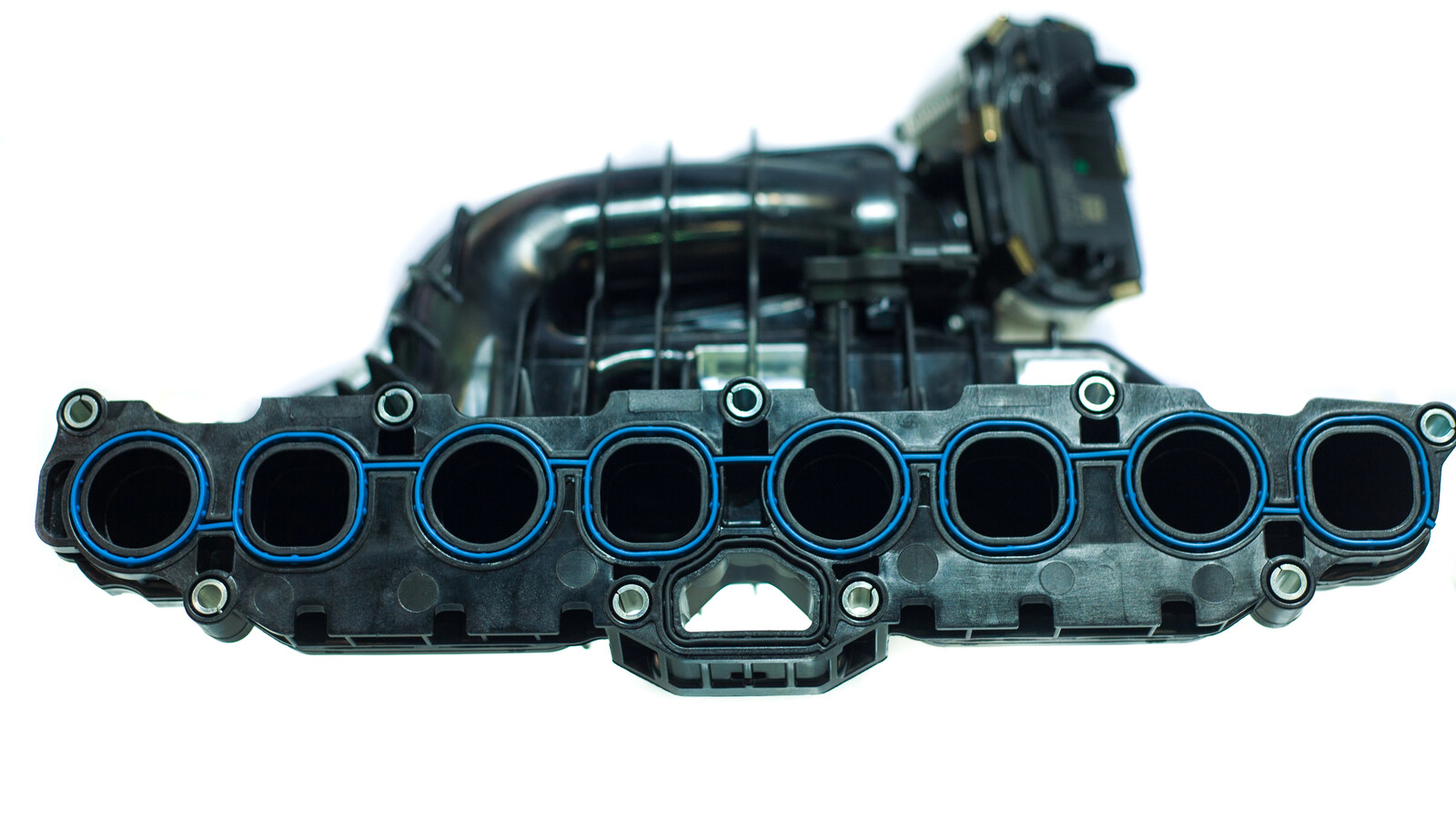
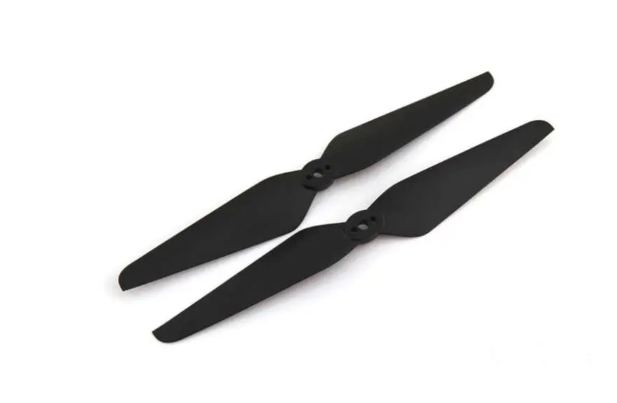
Tensile strength of 280 MPa, flexural strength of 290 MPa, HDT of 230 °C at 1.80 MPa — a working metal-replacement tool: brackets, levers, drive housings, UAV structures, sports equipment. Carbon fiber adds electrical conductivity and improved friction behavior as a bonus.
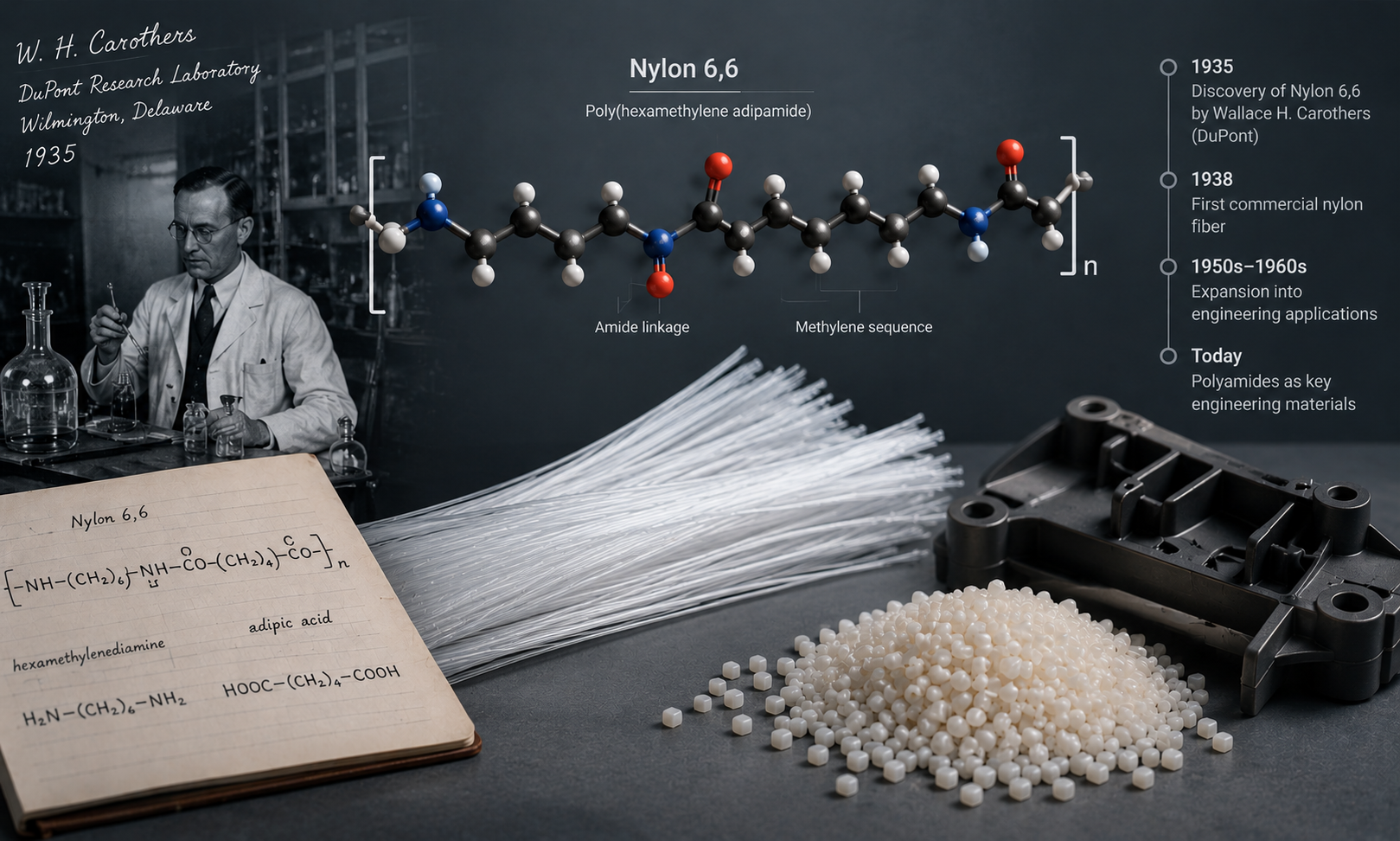
The PA66 matrix provides a 260 °C melting point and stable service at 120–150 °C. Processing: melt 280–300 °C, mold 100–120 °C. The grade is a cost-efficient alternative to imported PA66 CF30 compounds.


FAQ
CF30 or GF50 — which for a stiff part?
CF30 is stiffer (22,000 vs 16,800 MPa) and lighter (1.30 vs 1.56 g/cm³) but pricier. Weight-critical — CF30; budget-driven — GF50.
Is the material electrically conductive?
Yes, carbon fiber makes the compound conductive — account for this in E&E design; for ESD tasks verify batch surface resistivity.
How is PA66 CF30 better than PA6 CF30?
Higher melting point (260 vs 220 °C) and HDT (230 °C) — a margin for hot-zone service; PA6 CF30 wins on price and flow.