
Products and services
Unreinforced Bio-Based Polyamide PA610 — Examid® PA610
Description
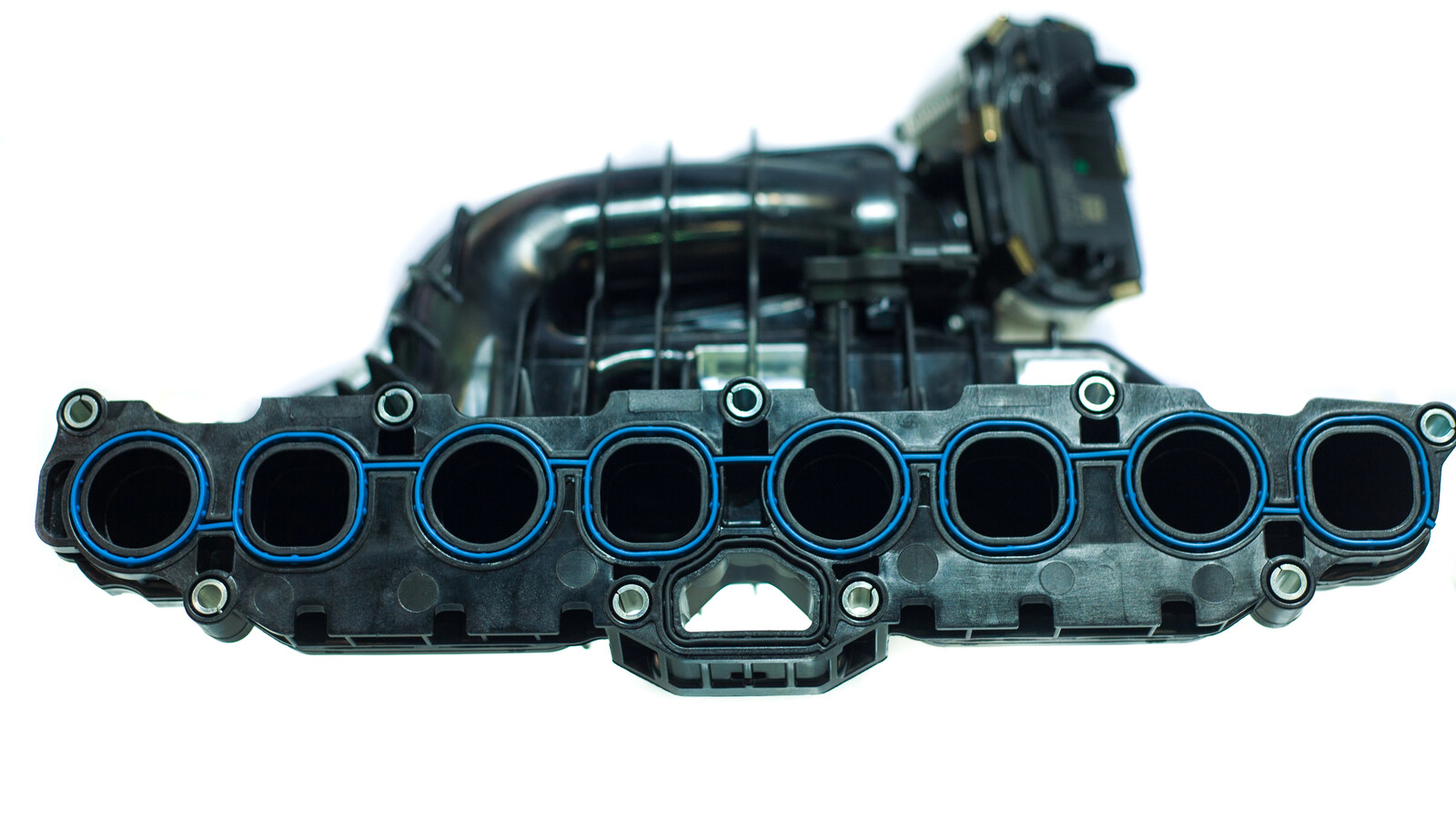
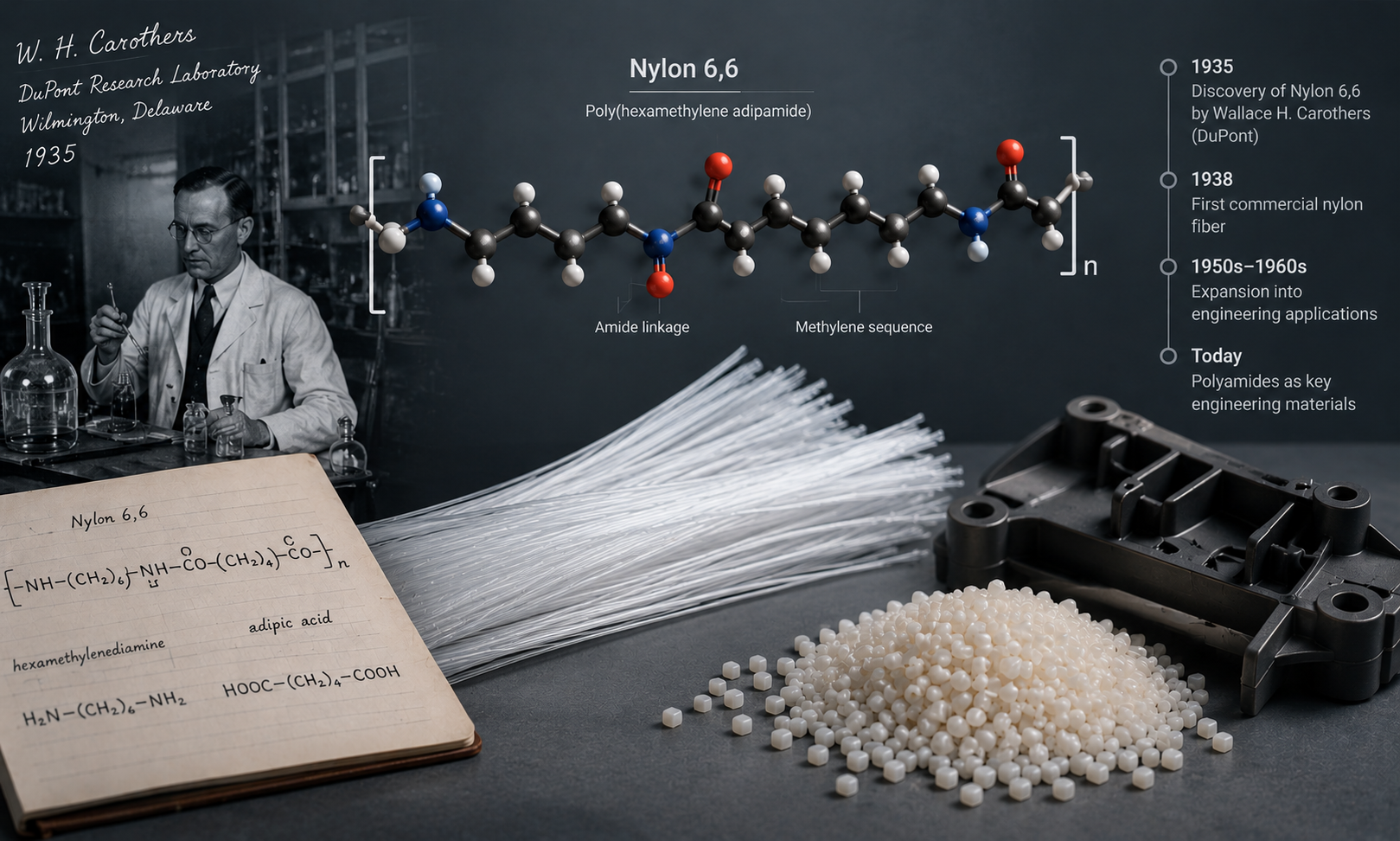
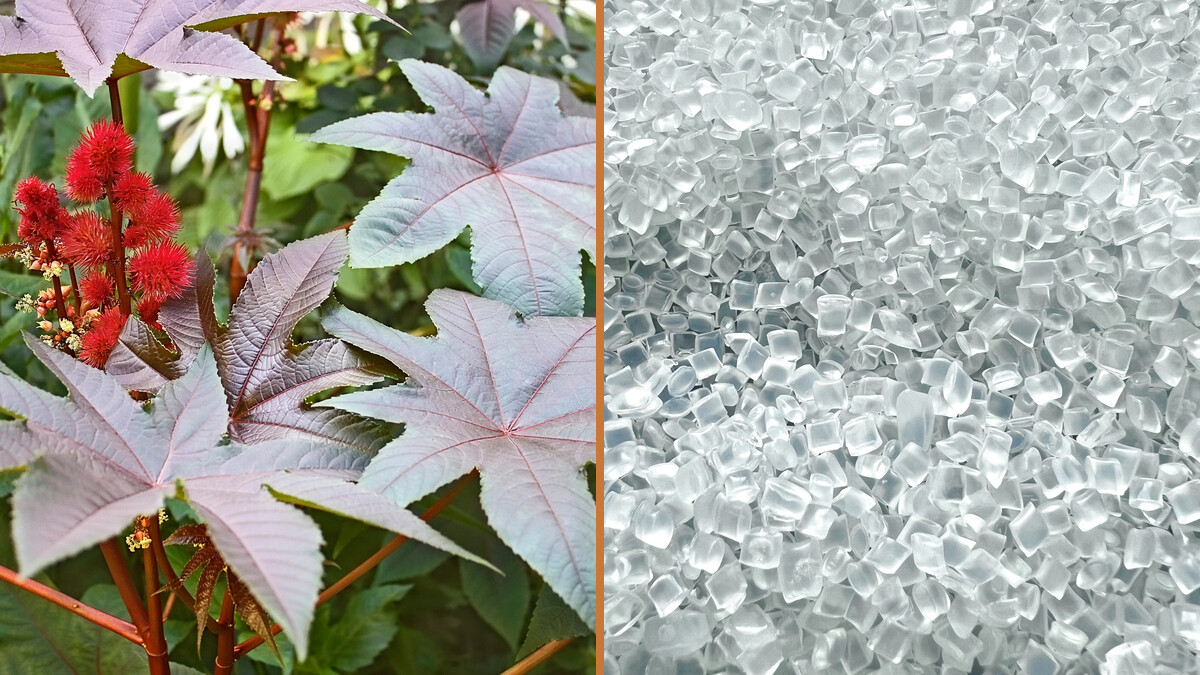
Examid® PA610 is a semi-crystalline long-chain polyamide 610, partially derived from renewable feedstock (sebacic acid from castor oil). Positioned between PA612 and standard PA6/PA66: lower density (1.08 g/cm³), lower moisture uptake (1.5% at 23 °C / 50% RH vs ~2.5–3% for PA6), higher dimensional stability.
Unreinforced PA610 mechanics: tensile strength of 60 MPa, elongation of 50%, Charpy unnotched impact at −30 °C — no break. Elasticity and cold resistance make the grade a standard for monofilaments (technical brush bristles, fishing line), tubing and flexible parts.
Melting point of 220 °C; processing: melt 240–260 °C, mold 60–80 °C — settings close to PA6, so substitution requires no process rebuild. Class analogs — Ultramid® S Balance (PA610).


FAQ
Why is PA610 better than PA6 for monofilaments?
Half the moisture uptake: bristles retain stiffness and geometry in wet environments; better abrasion resistance and shape recovery.
What does bio-based mean?
The sebacic acid in PA610 is derived from castor oil — part of the polymer carbon comes from renewable feedstock, countable in ESG reporting.
How does it behave in the cold?
At −30 °C unnotched — no break: retains impact strength and flexibility, suitable for outdoor applications.