
Products and services

Thermoplastic Polyester Elastomer Arnitel Care L140E

Description


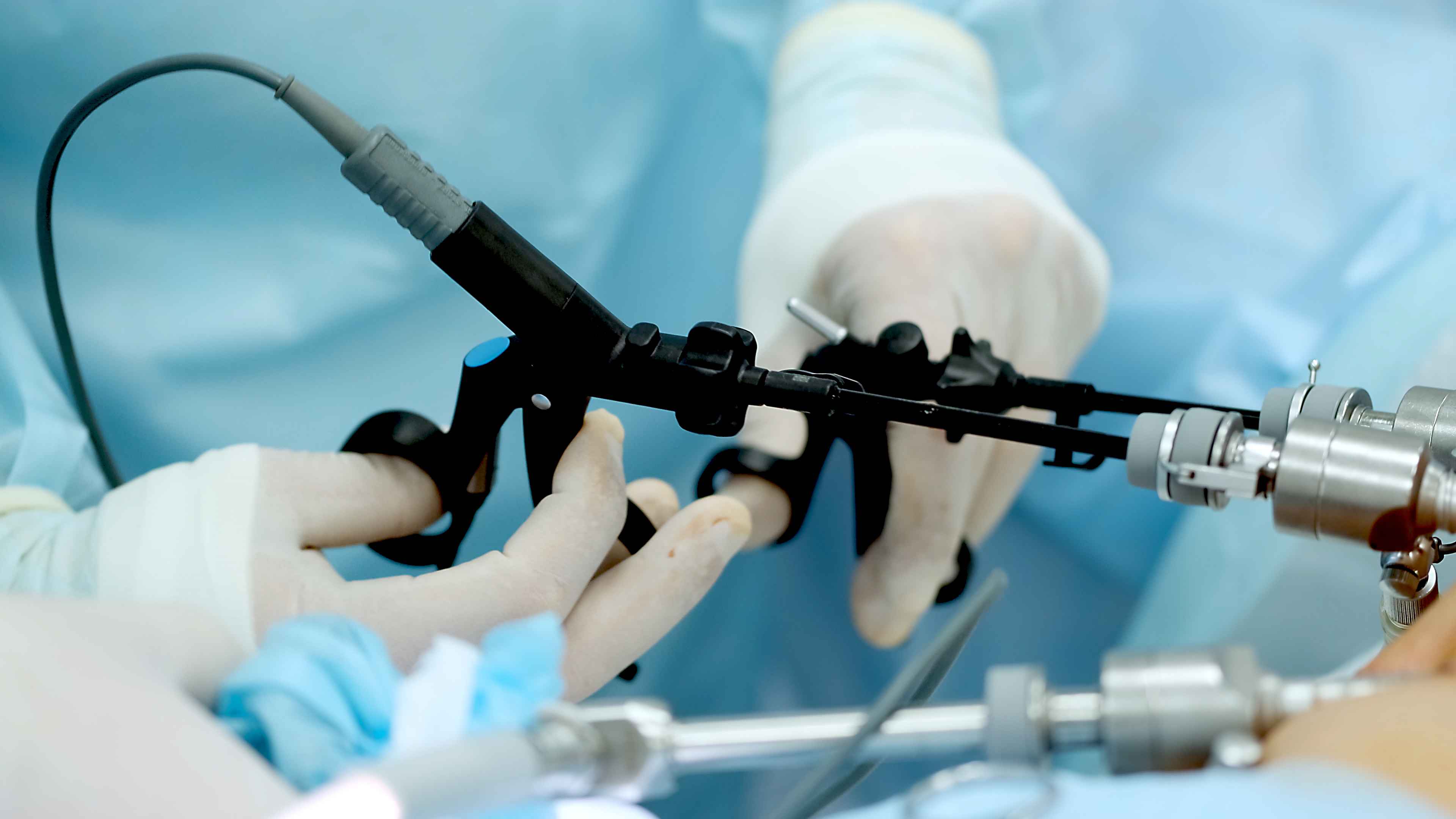
Arnitel Care L140E thermoplastic elastomer is a high-performance thermoplastic elastomer based on a copolyester. This material combines flexibility, chemical resistance and high-temperature performance. The chemistry of Arnitel comprises hard and soft segments, providing a high degree of design flexibility. The material demonstrates proven performance in a range of applications such as breathable monolithic films, kink-resistant tubing, soft-touch products and other innovative solutions for the medical industry.

Advantages

  • Flexibility
  • Chemical resistance
  • High-temperature performance
  • Quality and purity
  • Kink resistance

Applications


Arnitel is widely used across various industries thanks to its unique properties. Main application areas include:


Medical industry:


High-precision components requiring high material quality and purity

Flexible tubing and catheters

Breathable monolithic films


Automotive industry:


Seals and gaskets

Flexible tubes and hoses

Fuel injection system components


Electrical engineering and electronics:


Wire and cable insulation

Connector components


Industrial equipment:


Flexible connecting elements and seals

Pump and compressor components


Consumer goods:


Soft-touch coatings and components


Sports equipment elements


Construction and manufacturing:


Sealing and protective coatings

Waterproofing system elements
Thermoplastic Polyester Elastomer Arnitel Care L140E
Property
Unit
Value
Rheological properties:
Melt volume rate (MVR, 230 °C / 2.16 kg)
cm³/10 min
33 (ISO 1133-1)
Mold shrinkage (in flow direction)
%
1.5* (ISO 294-4)
Mold shrinkage (transverse to flow)
%
1.5* (ISO 294-4)
Mechanical properties:
Shore D hardness (15 s)
33 (ISO 868)
Tensile stress at yield
MPa
7 (ISO 527-1/-2)
Elongation at yield
%
77 (ISO 527-1/-2)
Elongation at break (ISO 527)
%
>50 (ISO 527-1/-2)
Stress at 10 % elongation
MPa
3.5 (ISO 527-1/-2)
Stress at 100 % elongation (M100)
MPa
7.3 (ISO 527-1/-2)
Tensile strength (TPE method)
MPa
21 (ISO 37)
Elongation at break (TPE method)
%
>300 (ISO 37)
Charpy impact strength (notched, 23 °C)
kJ/m²
No break (ISO 179-1/1eA)
Charpy impact strength (notched, −30 °C)
kJ/m²
No break (ISO 179-1/1eA)
Tensile impact strength (notched, 23 °C)
kJ/m²
218 (ISO 8256)
Thermal properties:
Melting temperature (Tm)
°C
195 (ISO 11357-3)
Glass transition temperature (Tg)
°C
−78 (ISO 11357-2)
Coefficient of linear thermal expansion (in flow direction)
ppm/K
220 (ISO 11359-2)
Coefficient of linear thermal expansion (transverse to flow)
ppm/K
220 (ISO 11359-2)
Electrical properties:
Relative permittivity (23 °C, 100 Hz)
4.1 (IEC 62631-2-1)
Relative permittivity (23 °C, 1 MHz)
4.0 (IEC 62631-2-1)
Dielectric dissipation factor (23 °C, 100 Hz)
0.001 (IEC 62631-2-1)
Dielectric dissipation factor (23 °C, 1 MHz)
0.017 (IEC 62631-2-1)
Volume resistivity
Ω·m
1×10¹³ (IEC 62631-3-1)
Dielectric strength
kV/mm
20 (IEC 60243-1)
Comparative tracking index (CTI)
V
600 (IEC 60112)
Physical properties:
Water absorption (immersion 24 h, 23 °C)
%
0.75 (ISO 62)
Moisture absorption (air, 23 °C, 50 % RH)
%
0.3 (ISO 62)
Density
g/cm³
1.11 (ISO 1183-1)
*
Typical data for this polymer class, for reference.
The stated values are measured by internal test methods close to the corresponding ISO and GOST standards. The information is for reference only; we recommend using the technical data after agreement with the supplier and signing of a normative technical specification.